Home
Planning a Fencing Project
If you're new to planing a fencing project or relatively experienced but still after some useful tips, then the following will prove invaluable. 

The first priority: Decide what is the fencing for?

It may seem an obvious question, but actually a project can end up with the wrong type of fencing because its full usage and purpose hasn't been considered.  That can prove to be an expensive error - in particular if further security needs to be added at a later stage.

There are broadly three main reasons for a fencing project:
  1. Security
  2. Aesthetics
  3. Simple demarcation
In many cases, it will be a combination of two of these - e.g. security is needed but the nature of the site requires the fencing to be aesthetically pleasing. 

If security is the main purpose though, then the level of that security is the first thing to determine.  So areas to consider are:
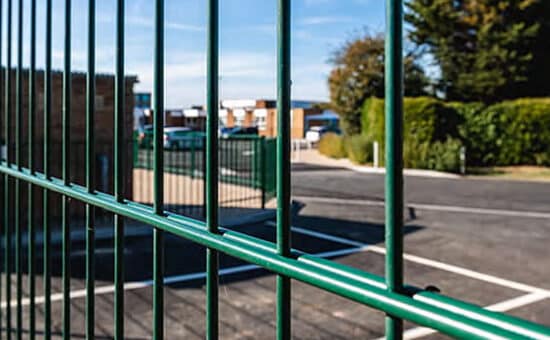
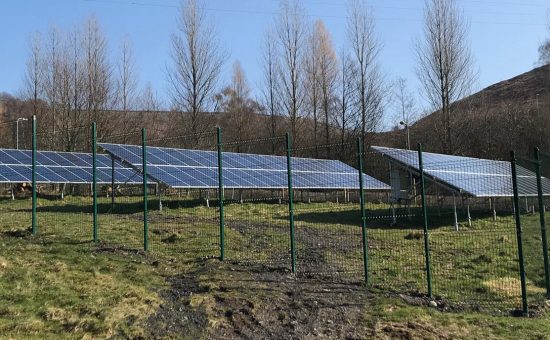
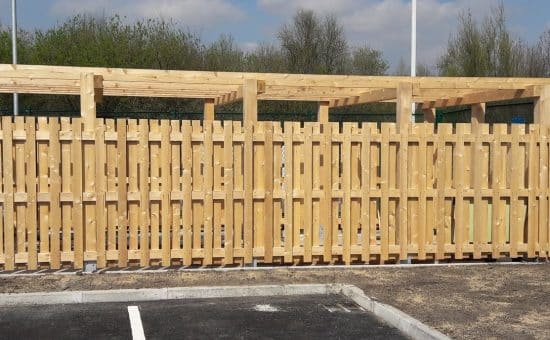
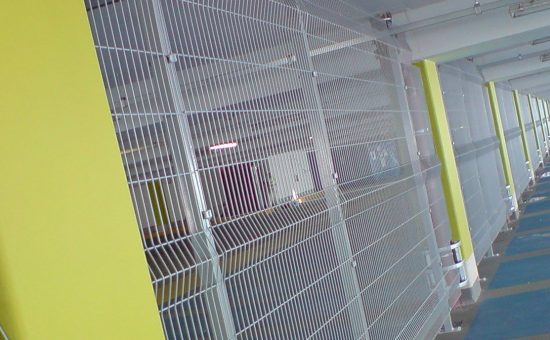
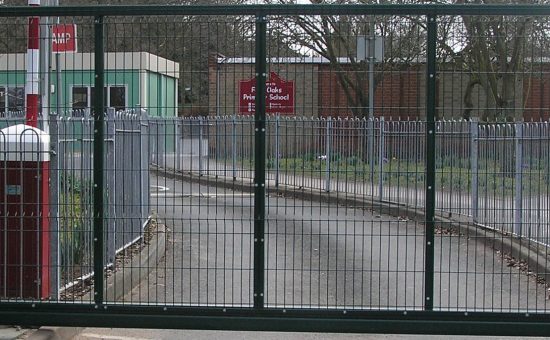
  • Preventing trespass - this would require relatively low levels of security and types of suitable fencing and gates would include mesh panel, timber closeboard palisade up to 2m
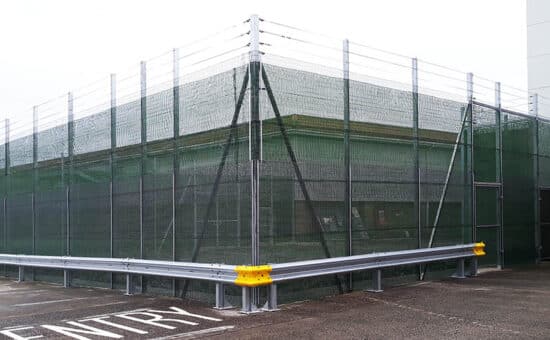
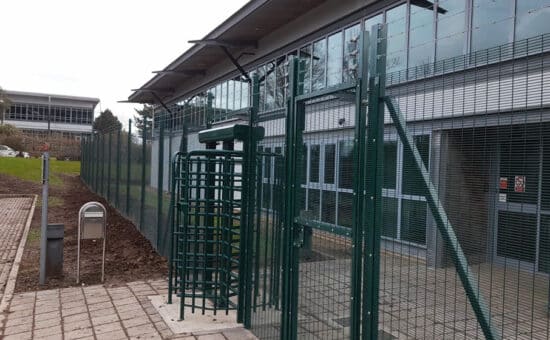
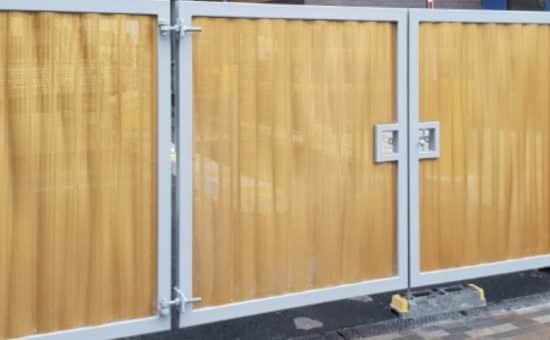
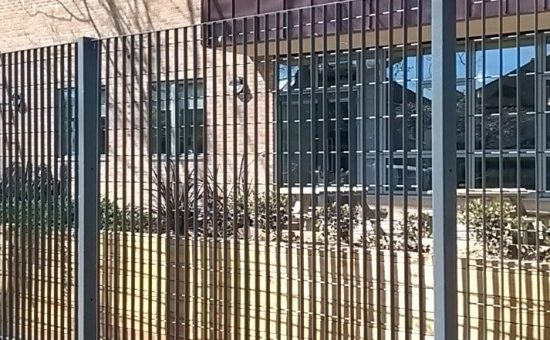
  • Preventing theft from the site - this would typically, and dependent on what product or items were on the site, require a higher level of security.  So suitable fencing and gate types would include mesh panel fencing above 2m, possibly higher spec such as 358, railings or enhanced palisade fencing, i.e with a lightweight mesh cladding or buried pales
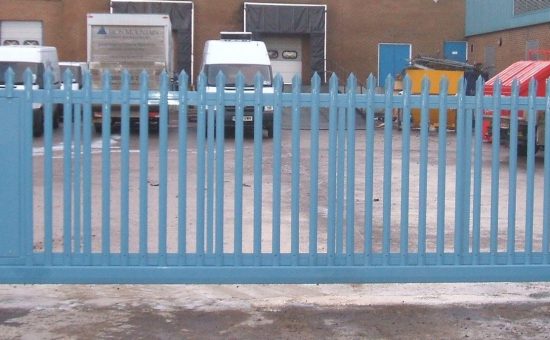
  • Preventing vandalism - this is often a problem on larger sites and in situation such as protecting railways, so suitable fencing and gate types would include palisade fencing, secure mesh, i.e 358, railings all 2.4m or above
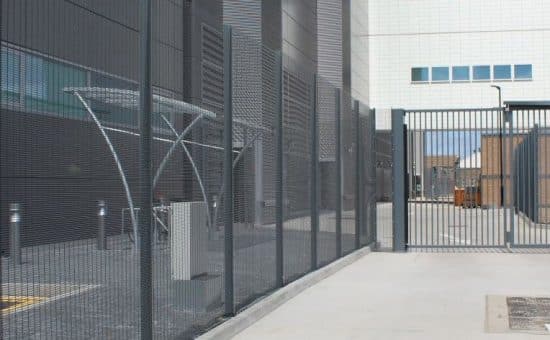
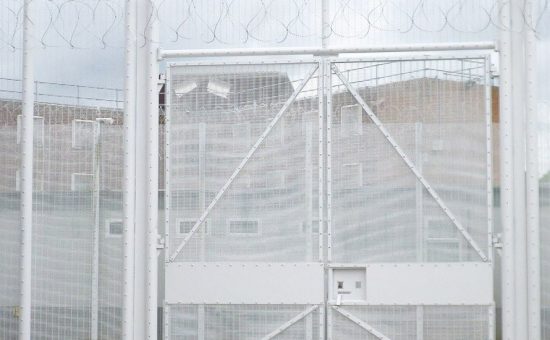
  • Deterring terrorism - obviously the most serious threat and this would require very high levels of security with suitable fencing and gate types being fencing over 3m secure welded mesh, enhanced palisade with additional anti climb features, barbed tape, electric pulse fence, acoustic cable and/or a second fenceline creating a sterile area between.
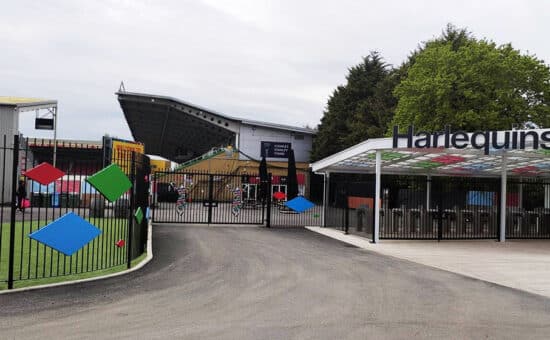
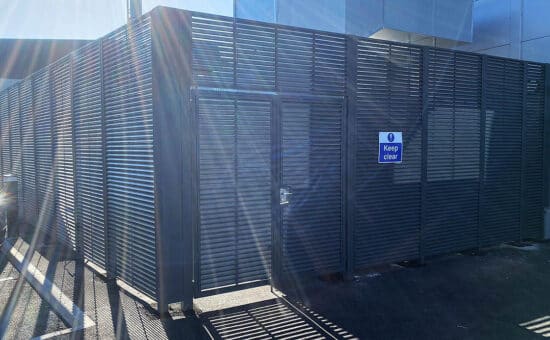
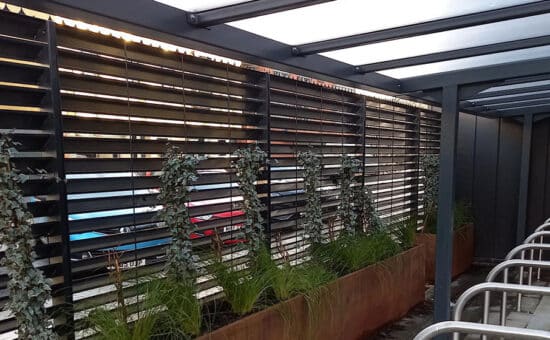
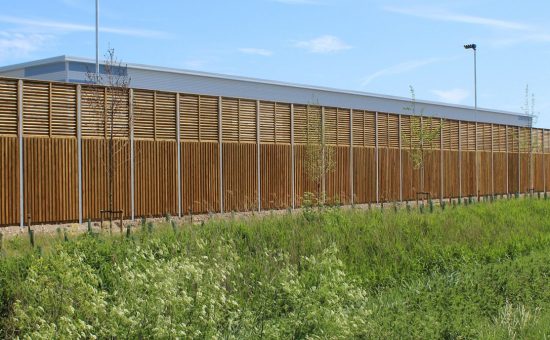
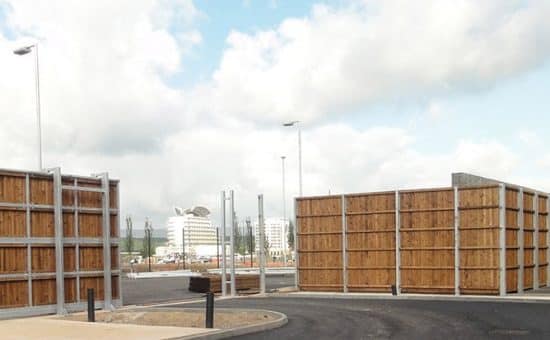
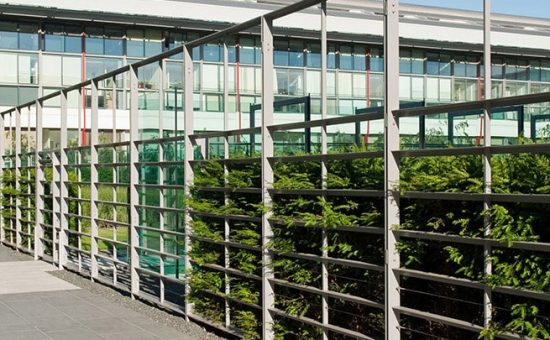
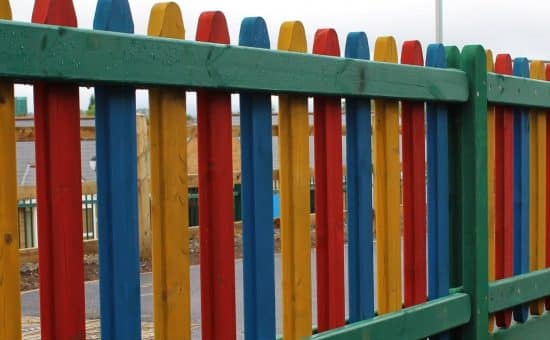
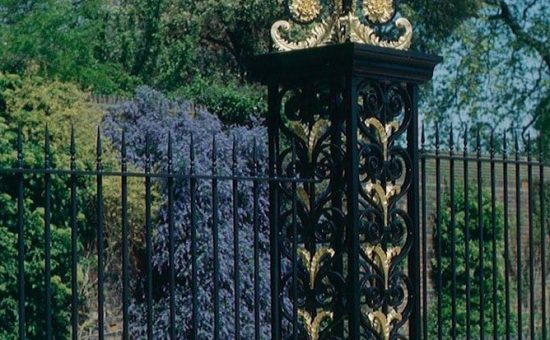
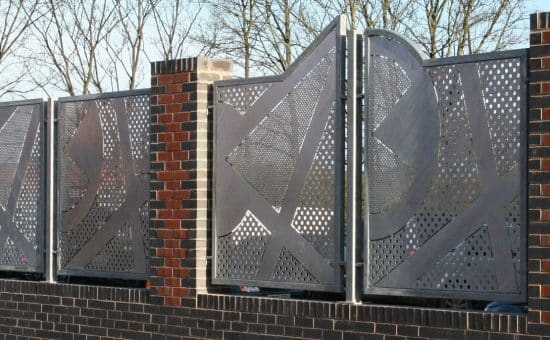
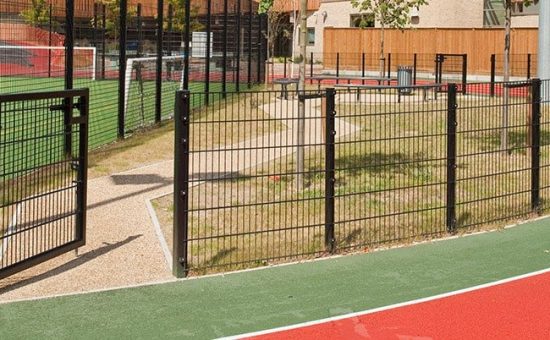
Where aesthetics are also important or the main purpose, the likely solution is bespoke fencing and gates, and here Procter Fencing Systems are able to manufacture and install an extremely wide range of options to fit all situations.

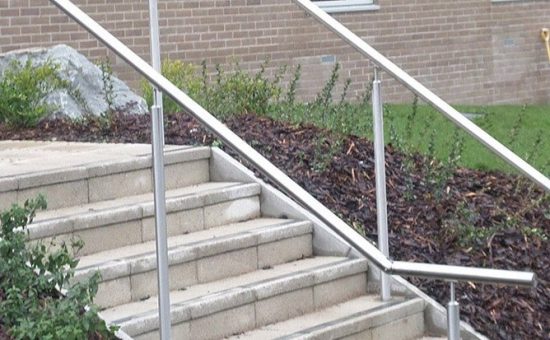
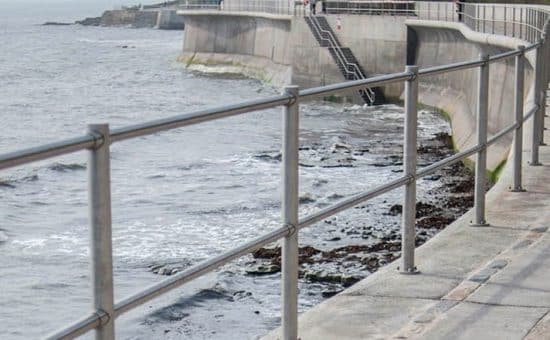
If boundary demarcation is the main purpose then no real security will be required and therefore the following fence types are likely to be suitable: chainlink, mesh panel fencing, closeboarding or low level railings.  Again, though if aesthetics are also a factor, then a bespoke solution may well be the answer.
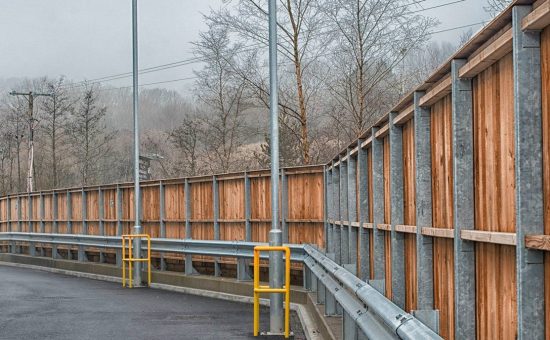
In all cases, it's important to determine if planning consent is required and it almost certainly will be in situations where the fence height is 2 metres or more.  The detailed requirements will depend on local planning guidelines, but typically fencing over 2m high would require planning consent.
The above is of course just an outline, <Perimeter Fencing White Paper> can be downloaded with more information.   And if you are unsure of any aspect or planning a fencing project or would just like to talk through some options or ask for advice generally, please don't hesitate to contact us by phone 029 2088 2111 or email Procter Fencing System.

10 ways to keep the Fencing Costs under control in Hard Times!

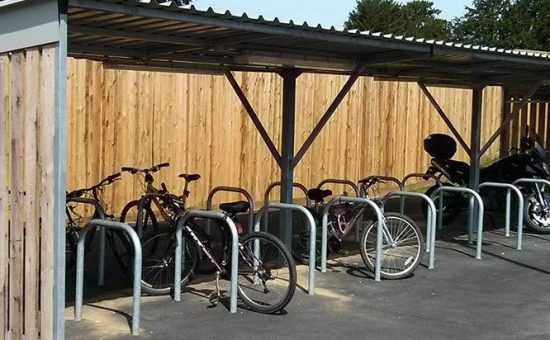
  1. The first point to consider is why you need a fence - e.g. security, aesthetics or just simple demarcation.  This might seem an obvious thing to do, but actually a fence might not be even be needed at all.  For example, a retailer wanting to prevent vehicle or trolley thefts could consider hoop barriers or knee rails - a simple and effective solution but one which won't create an obvious visual barrier, or indeed cost as much as some types of fencing.
  2. Having identified a need for a fence or barrier, the next step is to undertake a basic risk assessment to identify your specific threats - e.e. vandalism, theft, terrorism etc.
  3. Once your risk has been reasonably quantified, look at the alternatives that can fulfil your needs.  One thing not to do is simply have what your neighbour has: his needs may be different or he may just have the wrong fence.
  4. Now consider if you need to fence the whole site, or simply secure vulnerable areas, or use a different specification of fence for different areas.
  5. Once you have narrowed down the type/s of fence you need, think about the height - high fences make climbing more difficult plus also make it harder to get stolen goods over.  This is not just an issue to consider for retail outlets, as, regrettably, many employees steal and pass goods over or through perimeter fencing from other types of business premises.
  6. It's also important not to buy fencing just because it looks the part.  Some fences, e.g. palisade, have a high visual impact and are very effective for a specific purpose, but may be wholly inadequate for another (good at deterring vandals, but bad at delaying and deterring thieves).
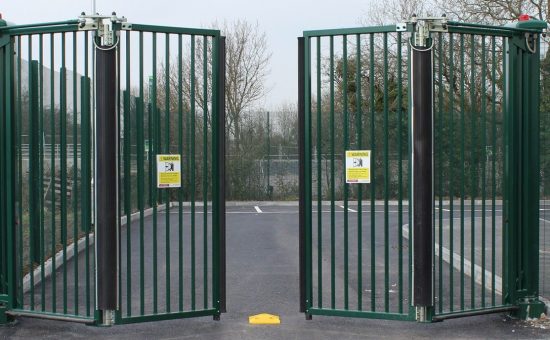
  7. Consider how you are going to control the access points - the highest most secure fence is only as good as its gate and if that cannot be secured then the fencing cannot deter effectively.
  8. At this stage you should contact a number of professional installation companies.  Always check their backgrounds and specifically: are their workers trained (all Procter's installers are CSCS accredited); do they work quality standards - management systems BS EN ISO 9001:2008 and fence standards BS 1722 for most fencing products.
  9. Also ensure you gt true like-for-like prices.  For example, it's very easy to substitute a lighter wire or pale, but this will have an affect on the longevity and performance of any fence. 
  10. If the costs of the fencing seem prohibitive, ten consider the cost of not fencing and securing your site - e.g. a major theft or vandalism etc.

 
Copyright © 2011 Procter Bros Ltd | Designed by sanders